







Search Results for: Chocolate Trio

A Complete Guide to the Espresso Coffee Family: From the Espresso Trio to Milk-Based Specialty Drinks
During the dog days of summer, when you'd rather not dig deep into origin theories and extraction science, Front Street Coffee figured it would just walk everyone through the vast system of Italian coffee. We'll start with the three espresso brothers—Espresso, Ristretto, and Lungo—then move on to the difference between Americano and Long Black, the milk coffee family of Latte, Cappuccino, Macchiato, Flat White, and Piccolo, as well as Italian specialty drinks like Mocha, Affogato, Con Panna, and Corretto. This article introduces each drink category by category, covering ratios, flavor characteristics, and whether it's served hot or cold, helping you understand what those names on the Italian coffee menu really mean—so you won't be confused when ordering. [more…]
A Complete Guide to All Types of Espresso Drinks: The Espresso Trio, Milk-Based Coffees, and Specialty Flavored Beverages
Walking into any café, the espresso menu is always so dazzlingly varied that it's hard to choose. What exactly is the difference between Espresso, Ristretto, and Lungo? Why do Americano and Long Black taste so different? What are the respective proportions and characteristics of a Latte, Cappuccino, Flat White, and Piccolo? This article starts with the three extraction methods of espresso, and goes through the complete family tree of black coffee, milk coffee, and espresso-based specialty coffee drinks one by one, helping you sort out the recipe logic and flavor characteristics of each drink, so you won't be confused the next time you order. [more…]
A Complete Guide to the Espresso Family: Flavor Secrets from the Espresso Trio to Fancy Specialty Drinks
Walking into any café, the dazzling array of espresso drinks on the menu can be overwhelming. But do you truly understand the extraction logic and flavor differences behind these coffees? This article starts with the three extraction methods of espresso and gradually breaks down the family tree of black coffee, milk coffee, and specialty espresso-based drinks. Whether you prefer a rich and full-bodied Ristretto, adore a cappuccino with dense milk foam, or want to try a cup of Dirty with distinct layers, this article will help you build a complete framework for understanding espresso coffee. At the same time, we will also recommend Front Street Coffee's classic blend, which is suitable for making traditional espresso-style flavors, so you can easily recreate café-quality drinks at home. [more…]
A Complete Guide to the Espresso Family: Flavor Differences and Key Production Points of the Espresso Trio, Milk Coffee, and Specialty Drinks
In the dog days of summer, when one can't be bothered to delve into origins and extraction theories, Front Street Coffee might as well walk everyone through the large and lively family of Italian coffee. Starting from the most familiar Espresso, you'll find it has two very different brothers, Ristretto and Lungo, as well as a Doppio made with a double dose of grounds for one shot. In addition, the difference in water volume between Americano and Long Black, the milk foam tug-of-war among Latte, Cappuccino, and Macchiato, the localized evolution of Flat White and Piccolo in Australia, and specialty members like Mocha, Affogato, Con Panna, and Corretto together form the rich lineage of Italian coffee. This article breaks down each member's flavor characteristics and production logic category by category, helping you sort out exactly whom to choose when ordering. [more…]
How to Make a Delicious Dirty: The Trio of Bean Selection, Milk, and Temperature
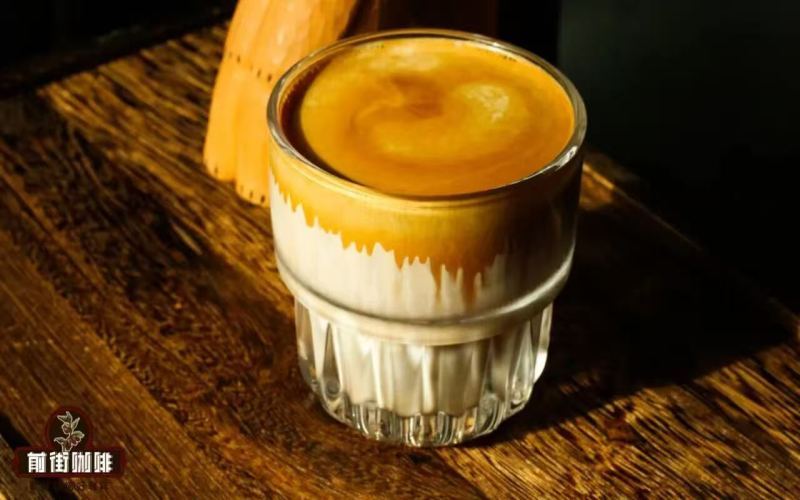
Dirty (dirty coffee) has been a perennial staple on café menus in recent years: hot espresso slowly sinks into iced milk, without stirring, and you drink it from top to bottom, so that in a single sip you get the alternation of hot and cold and the layering of milk and coffee. It looks simple, but between a delicious one and a mediocre one lies the gap of bean selection and details. The principle of Dirty: why [more…]
Chocolate Triple Threat Dirty Coffee Trend: The Ultimate Filthy Experience at a Creative London Café
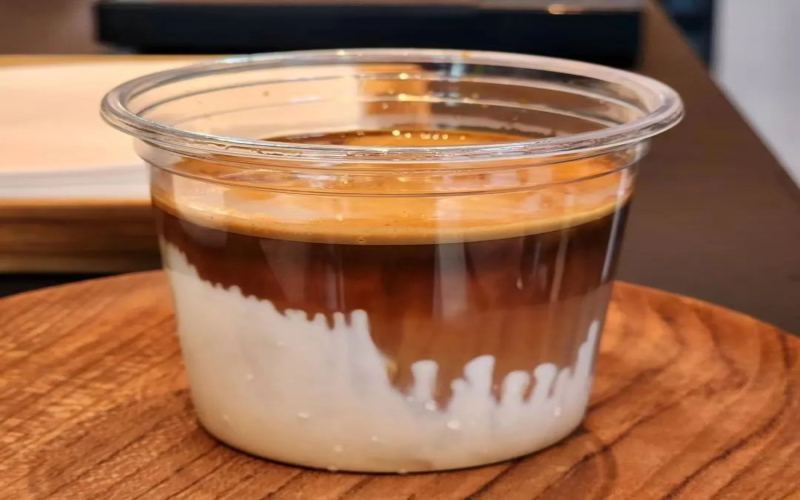
For many people, drinking coffee is an elegant affair, but there is a type of coffee that started out "dirty" and became famous for being "dirty," to the point that even germaphobes would find it unbearable to watch. There are mainly two schools of Dirty coffee on the market: one involves extracting espresso directly onto the surface of cold milk, creating the visual effect of "tainting" the milk; the other pursues "filth" in the truest sense, deliberately letting the liquid overflow the cup and saucer, sprinkling on cocoa powder and the like, to create a state of "messy filth." In London, England, a brand called "Italian Bear Chocolate" has launched a "Triple Chocolate" series of drinks. Whenever someone orders a coffee and adds the "chocolate triple," the barista first picks up a ceramic cup with a saucer, moves it over three large tubs of chocolate in different colors, then uses a large ladle to scoop them up one by one and pour them over the rim of the cup—white chocolate, milk chocolate, dark chocolate—striving to let the cup fully "bathe" under each kind of chocolate sauce. Finally, after the barista takes this cup, dirtied to the extreme, to receive hot water and espresso liquid, this specialty coffee is complete. [more…]

Luckin's new "Whole Coconut" product has a complex production process, and workers at stores nationwide are feeling the pressure.
Luckin Coffee's weekly Thursday operational notice once again put store employees on edge, as the company officially announced several new products, including "Triple Cheese Thick Matcha," "Coconut Trio Latte," and "A Whole Coconut." Among them, the preparation method for "A Whole Coconut" completely overturns previous operating habits. Employees need to wear gloves to take out frozen coconut eggs and pour the prepared coffee liquid into the coconut shell for serving. The process involves more than ten steps, prompting many workers to call it absurd. What troubles them even more is that these new products may be launched nationwide, and morning shift staff must complete a large amount of prep work within half an hour. Many worry that they simply cannot handle it when running the store alone. [more…]
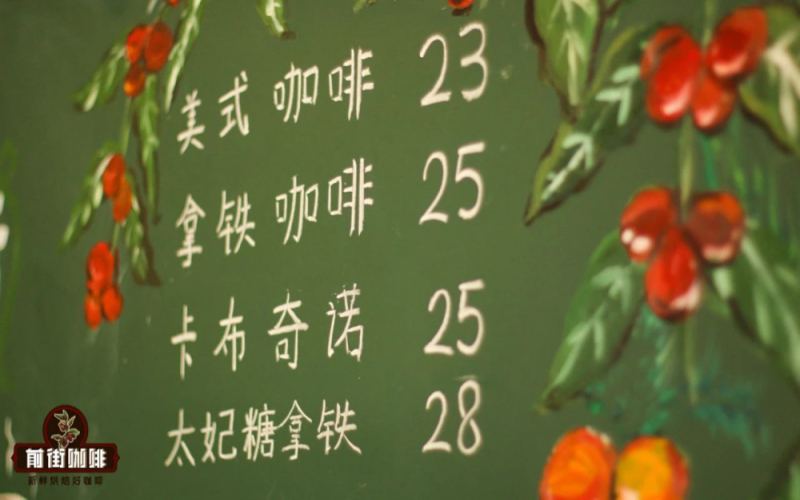
A Complete Guide to Common Espresso Drinks in Cafés: From Espresso Base to Milk Coffee and Specialty Drinks
Walk into any coffee shop, and espresso-based drinks are almost always the mainstay of the menu. Front Street Coffee locations offer classics like Americano, Latte, Cappuccino, and Flat White, and many shops also blend in various extras to create inventive drinks. This article systematically sorts out the most common types of espresso drinks found in coffee shops: first get to know the trio of espresso "brothers"—Espresso, Ristretto, and Lungo—along with Doppio; then learn about black coffees such as Americano and Long Black; next, take stock of milk coffee members like Latte, Cappuccino, Macchiato, Flat White, and Piccolo; and finally introduce espresso specialties such as Mocha, Marocchino, Affogato, Con Panna, Corretto, and shaken iced coffee. Beginners can use this to quickly build a complete framework of understanding for espresso drinks. [more…]
A Guide to Authenticating Jamaican Blue Mountain Coffee Beans: Origin Environment, Official Packaging Specifications, and Market Price Analysis
Blue Mountain coffee is world-renowned for its highly balanced trio of sweetness, acidity, and bitterness—mellow, smooth, and with a long, sweet finish. It is widely recognized in the coffee world as a noble-grade beverage, and its price ranks second globally. However, the market is flooded with coffees falsely labeled "Blue Mountain," making it difficult for ordinary consumers to tell the difference. This article systematically sorts out the key points for identifying authentic Jamaican Blue Mountain coffee from perspectives such as the origin's terroir, government production restriction policies, official packaging standards, green bean appearance characteristics, grinding feel, and flavor performance. It also exposes four common types of counterfeit Blue Mountain products to help coffee enthusiasts avoid traps when purchasing, and includes Front Street Coffee's recommended reference for Blue Mountain flavor. [more…]

Luckin Coffee Teams Up with Honor of Kings to Launch Ten Co-branded Themed Cups, Store Employees Say the Pressure to Identify Them Is Intense
Luckin Coffee's collaborative campaign with the hit mobile game Honor of Kings has officially launched, coinciding with the game's tenth anniversary celebration and drawing widespread attention from players. The collaboration features a special drink inspired by in-game equipment called "Pain Mask · Tamarind Americano," along with merchandise such as hand fans, insulated tumblers, and gold-stamped badges. During the campaign, stores nationwide are using a three-piece collaboration set consisting of takeaway cups, cup sleeves, and paper bags, with the most eye-catching item being as many as 10 themed cup designs covering 5 game characters. The rich variety has thrilled players but placed a double burden on store staff in terms of identification and stocking. Front Street Coffee continues to follow developments in the coffee industry and brings you frontline observations. [more…]
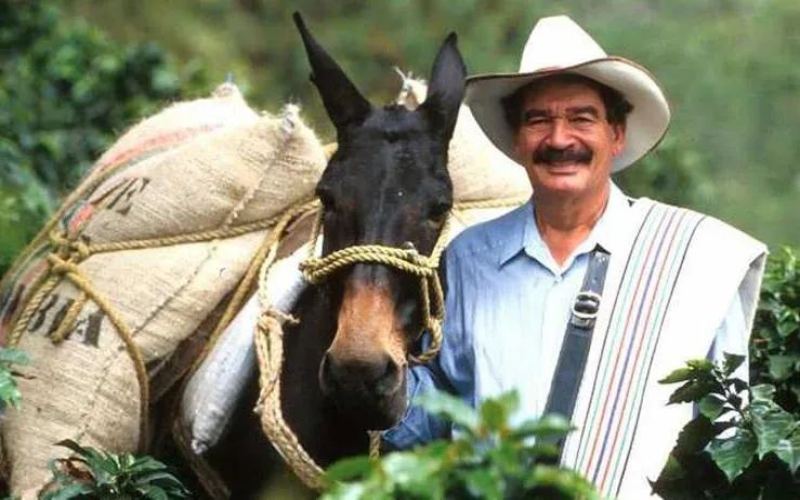
What Does Colombian Juan Díaz Coffee Taste Like? Front Street Analyzes the Classic Brand and Huila Everyday Beans
When it comes to Colombian coffee, many people picture Uncle Juan wearing a straw hat and leading a mule—an iconic image that has long been the calling card of Colombian coffee to the world. Colombia's coffee-growing regions stretch across the Andes, divided from south to north into three major zones, and the diversity of climate and altitude means coffee cherries ripen almost year-round. In the last century, the "MAM" trio was the most famous, but with the rise of the specialty coffee wave, southern regions such as Huila, Cauca, and Nariño have repeatedly won Cup of Excellence awards thanks to their high altitudes and refined processing methods. After multiple cupping sessions, Front Street Coffee chose a washed bean from the Huila region as the flagship representative of Colombia, offering it in small packaging so enthusiasts can easily experience the classic flavor. This article will introduce the origins of the Uncle Juan logo, the logic behind Colombia's regional classification, and Front Street Coffee's brewing recommendations and flavor profile for its Huila everyday-drinking bean. [more…]
Jamaica Blue Mountain Coffee Flavor Analysis: Pour-Over Taste Performance and Market Price Reference
Blue Mountain coffee has long enjoyed a stellar reputation. It comes from the Blue Mountain range in eastern Jamaica, where exceptional volcanic soil and a humid, misty climate nurture a coffee flavor in which sweetness, acidity, and bitterness are extremely well balanced. This article will walk you through the Blue Mountain coffee's origin background, grade classifications, and flavor characteristics, explore whether pour-over is a good way to brew Blue Mountain coffee, and include a price reference for Blue Mountain coffee beans. If you are looking for a coffee that is rich and mellow, with soft acidity and almost no bitterness, the Blue Mountain series from Front Street Coffee may be worth a try. [more…]
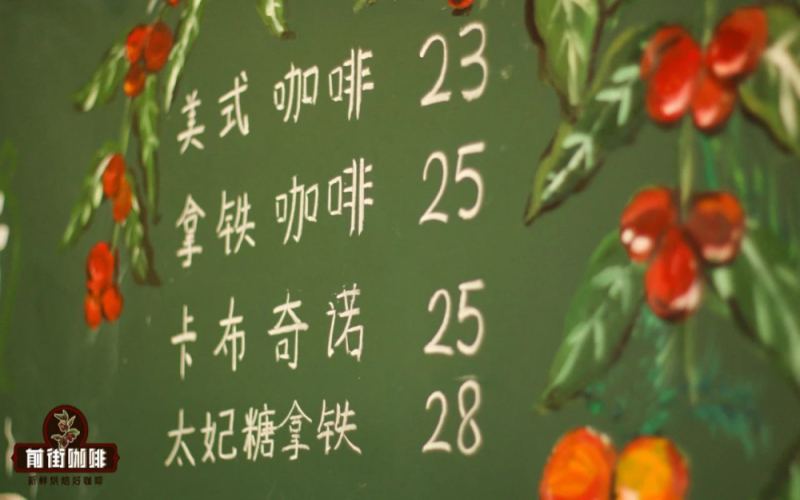
The Complete Guide to Making All Types of Espresso Drinks: Detailed Recipes and Ratios from Espresso Base to Specialty Flavored Beverages
Espresso-based coffee is a must-have category in every café, ranging from espresso bases to various milk coffees, black coffees, and even creative specialty drinks, with a wide variety of styles. Front Street's stores offer classic beverages such as Americano, Latte, Cappuccino, and Flat White. This article will systematically outline the most common espresso coffee styles found in coffee shops, including the extraction ratio differences among the trio of Espresso, Ristretto, and Lungo, the unique method of making Doppio, the water volume comparison between Americano and Long Black, the recipe characteristics of the milk coffee family such as Latte, Cappuccino, Macchiato, Flat White, and Piccolo, as well as the preparation methods of Italian specialties like Mocha, Marocchino, Affogato, Con Panna, Caffè Corretto, and Shakerato, helping coffee beginners quickly build a framework of understanding. [more…]
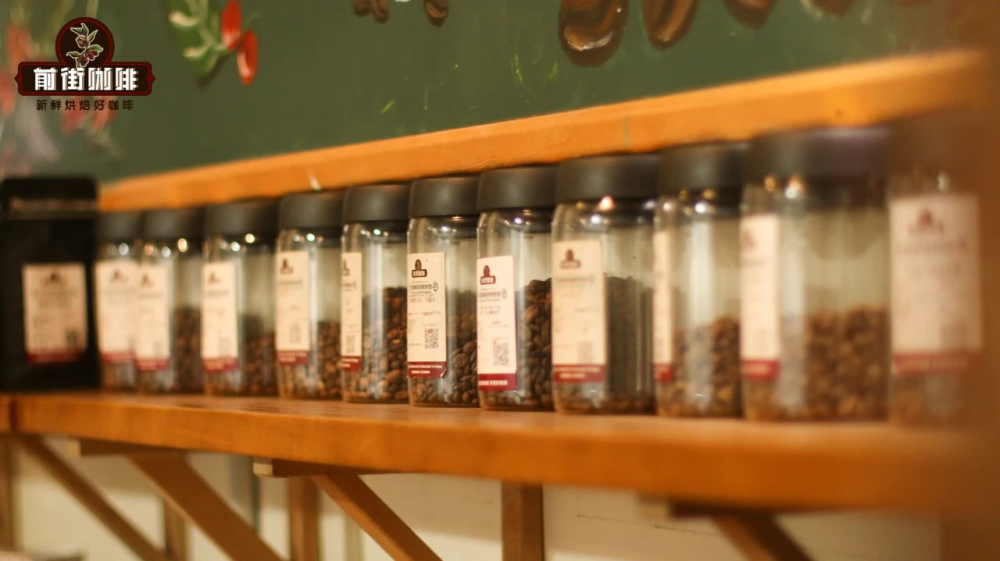
Pour-over coffee beginner knowledge | What are the six common mistakes coffee beginners should avoid when brewing coffee? How to correctly brew pour-over black coffee?
Nobody wants to ruin their own coffee, especially specialty coffee beans that aren't cheap. Nobody wants to drink a cup of terrible coffee, but with these common mistakes, if you hit even one of them, no matter what you use, it's not just a wasted pot of coffee—if you never realize where the problem lies, then you will [more…]
Blue Mountain No.1 Pour-Over and Siphon Brewing Tutorial: Detailed Guide to Water Temperature, Grind Size, and Coffee-to-Water Ratio
Blue Mountain coffee originates from the Blue Mountains of Jamaica and is named for the blue light reflected from the Caribbean Sea. It is famous for its balanced blend of sweetness, acidity, and bitterness, with almost no bitterness and a gentle acidity, making it the finest among single-origin coffees. This article shares the classic brewing method for Blue Mountain No. 1 recommended by Front Street Coffee, covering equipment choices such as the siphon, filter bag, and drip methods, and explains in detail the key steps: a ratio of two tablespoons of coffee grounds to 150 ml of purified water, water temperature control at 90 to 96°C, boiling the water over medium heat then simmering over low heat for 30 to 40 seconds, gently stirring with a spoon, and natural reflux. It also introduces the optimal tasting temperature of about 60°C and the flavor changes after cooling, helping coffee lovers perfectly extract the unique charm of Blue Mountain coffee at home. [more…]
A Beginner's Guide to Pour-Over Coffee Pitfalls: Six Common Mistakes and Key Correct Practices
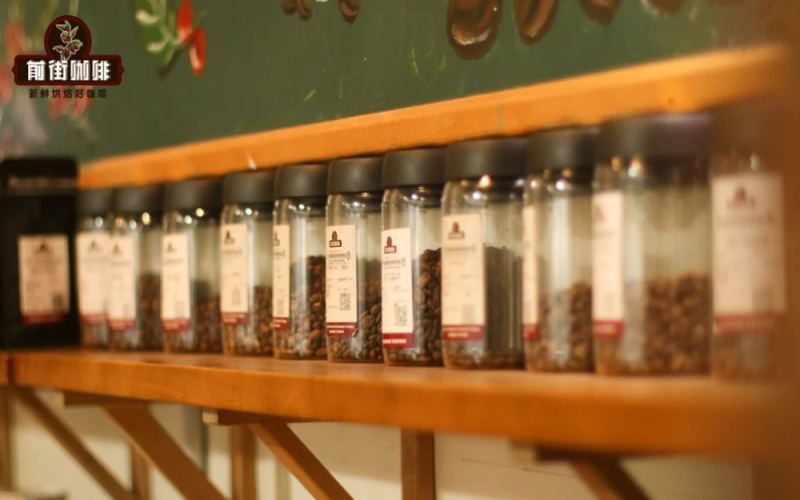
Those new to pour-over coffee often turn carefully purchased specialty beans into an undrinkable bitter brew because of a few overlooked details. This article compiles the six most typical pitfalls beginners fall into, from the freshness of coffee beans, the pairing of water quality and water temperature, to the daily cleaning of equipment, the discerning of bean quality, and the choice of storage environment, analyzing the root cause of each problem one by one and offering actionable directions for improvement. If you are also struggling to brew a tasty cup, you might as well check your own brewing habits against this article, which also includes relevant product information from Front Street Coffee for your reference. [more…]
Luckin's Demon Slayer collaboration merch falls flat, as set pricing and design spark fan debate
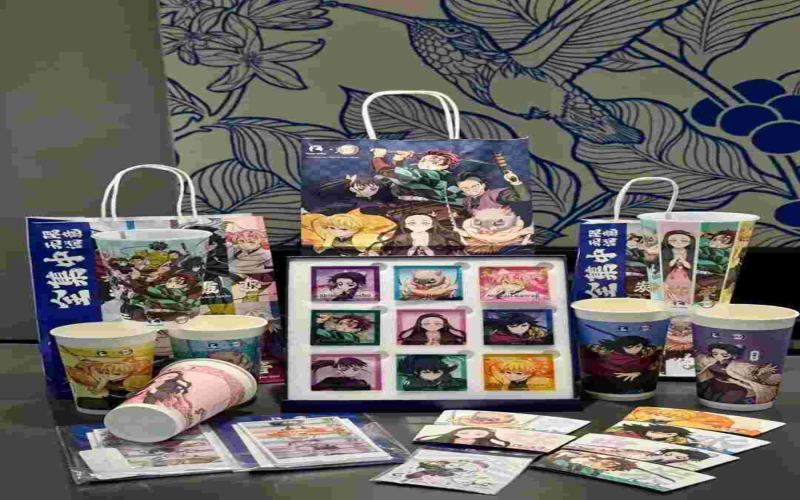
Luckin Coffee recently announced a co-branded collaboration with the popular Japanese anime Demon Slayer, launching a series of themed merchandise, including takeaway cups, paper bags, cup sleeves, stickers, acrylic standees, and fridge magnets. However, after the campaign went live, the merchandise did not sell as well as expected and instead ended up languishing on the shelves. Fans widely reported that the bundle prices were too high, especially the 229-yuan eight-drink bundle, which deterred many people. In addition, some loyal fans pointed out that the merchandise artwork consisted of old images already released by the official brand and lacked novelty. Front Street Coffee noted that the market response to this collaboration stands in sharp contrast to Luckin's previous co-branded campaigns, sparking discussions about brand collaboration strategies and fan consumption psychology. [more…]

Peet's Summer New Drink Review: Why Bubble Matcha Double Yuzu Divides Opinions
In the scorching summer heat, Peet's Coffee launched a trio of sparkling double yuzu series new products in one go, among which the Sparkling Matcha Double Yuzu quickly went viral on social media thanks to its fresh gradient colors. However, this drink, described as a "concerto of tea and fruit," left many consumers stunned once they actually tasted it—the sweetness of tonic water, the bitterness of matcha, and the sourness of yuzu each went their own way under the stimulation of carbonation, even taking on a powdery texture. Even Peet's own employees admitted that this new product being "unpopular" was entirely expected. This article combines netizens' hands-on reviews and employee opinions to comprehensively analyze the flavor performance of this drink, and reviews the recent shifts in Peet's product strategy, for the reference of coffee enthusiasts. [more…]
Starbucks Year of the Dragon cup sleeves break convention, marking a turning point in co-branded packaging strategy
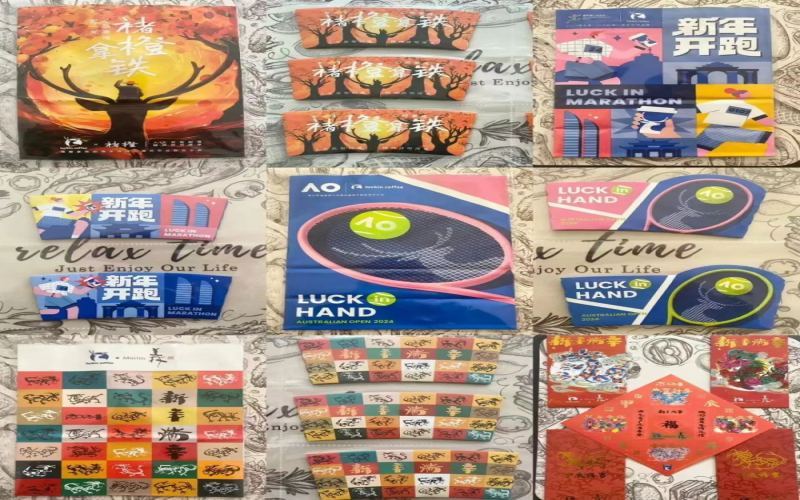
Collaboration campaigns by coffee chains usually come with limited-edition cup sleeves, stickers, and paper bags, while Starbucks has long stuck to its classic brown paper bags and green logo, a habit consumers jokingly call "unchanged for a decade." Yet during the Chinese New Year of the Dragon, Starbucks unexpectedly rolled out three limited-edition dragon-year cup sleeves, sparking widespread discussion. Netizens jokingly dubbed this move "a decision that betrays the ancestors," and it was also seen as a new attempt by Starbucks at localizing in the Chinese market. Against the backdrop of accelerating store expansion into lower-tier cities and insisting on not engaging in price wars, can Starbucks win over more consumers through limited-edition packaging? This article takes you through the details. [more…]

Luckin's Prune Latte is about to return, and the new product materials unexpectedly come with facial tissues, sparking heated discussion.
Luckin Coffee once brought back several classic drinks due to popular demand from netizens, and now the much-anticipated Heart Stealer Prune Latte is also set to return next week. However, while unpacking the new product materials, employees unexpectedly discovered that in addition to the usual paper bags and cup sleeves, there was also a pack of tissues printed with the word "prune." This thoughtful yet slightly humorous move quickly sparked discussions among netizens: some joked that the company was worried consumers would frequently run to the toilet after drinking it, while others speculated that the recipe might have been adjusted. The prune latte became famous back in the day for its "smooth movement" effect and was jokingly called "the coffee world's suppository." Now, after nearly two years away, it is making a comeback, and fans are both excited and concerned. Front Street Coffee reminds everyone that no matter how the recipe changes, a good cup of coffee is always worth savoring slowly. [more…]